Kopdes Shift Anomalies Co-op Tips (1–4 Players)
Four cashiers can save the night—or serve the same anomaly twice.
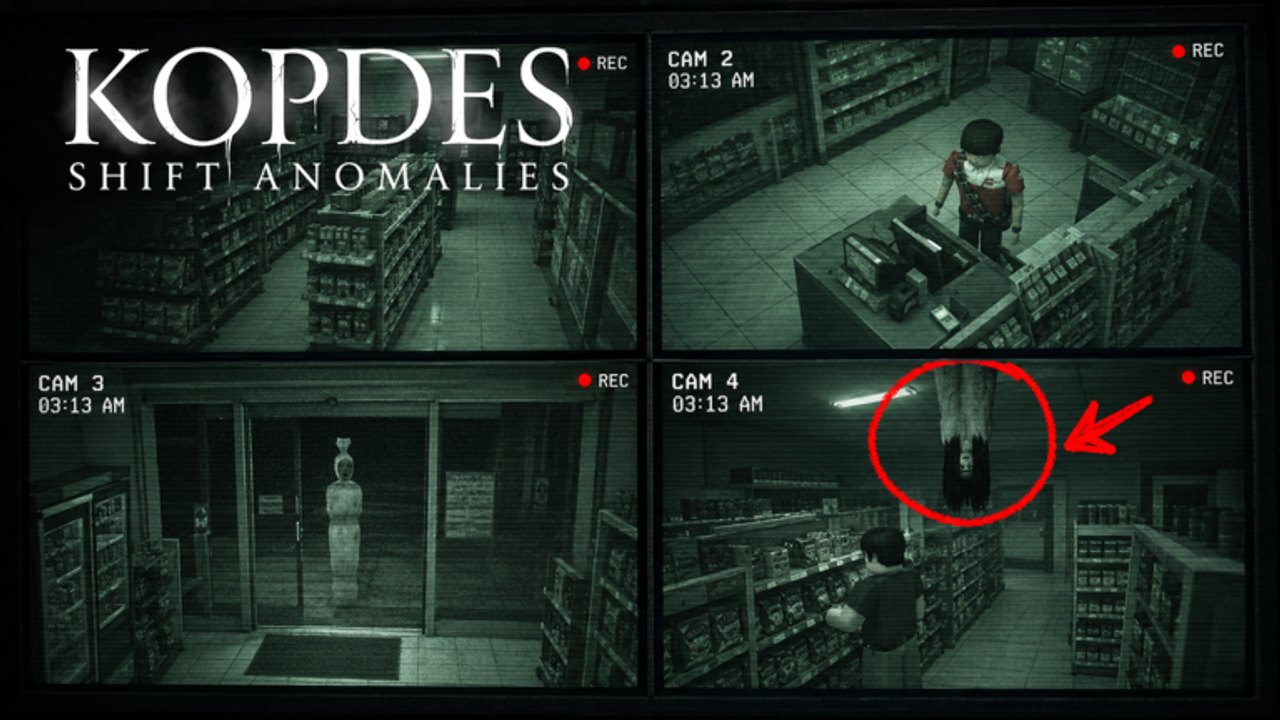
Kopdes Shift Anomalies supports solo play and parties of 1–4 friends in the same village cooperative nightmare. Co-op is the best way to laugh through Indonesian folklore jumpscares and the worst way to burn three strikes in thirty seconds if nobody owns a role. This guide covers lobby setup, callouts, prompt discipline, and ending-hunt etiquette so your squad reaches morning together.
Make sure everyone has skimmed Getting Started and How to Identify Anomalies. At least one player should know Controls & UI well enough to open the rules book on demand.
Lobby and voice setup
Use voice chat or a fast external call. Text chat is too slow for black-eye callouts. Agree on language up front—the experience is fully Indonesian with authentic voices, but your team can call cues in any language as long as the cue names stay consistent (“black eyes,” “leaves,” “shroud,” “3AM,” “radio”).
Before start:
- Confirm party size (duo, trio, or four).
- Assign roles (below).
- Decide the night goal: clean survival, fired-ending collection, or specialty rule break.
- Remind everyone: three strikes can end the run for the group’s shift progress—treat them as shared lives even when the UI scares one player hardest.
Recommended roles
Duo
- Counter Lead — owns serve and kick prompts; final authority on the register.
- Spotter / Systems — calls face and body cues, watches phone/radio/warehouse, opens the book on request.
Trio
- Counter Lead — register only.
- Face Spotter — stands for camera angles on eyes, head rotation, body size.
- Systems Runner — radio three-touch, phone ban enforcement, warehouse door discipline, 3:00 stay-inside calls.
Full four
Add a Floor Scout who watches shelves for flying items, dripping baskets, empty-shelf grabs, teleporting customers, glass knocks, and chase entities while the counter team works the queue.
Do not let four people stand on the register. Crowded prompts cause crossed serves.
Callout script (keep it short)
Use short, actionable lines:
- “Black eyes—kick.”
- “Human—serve.”
- “Leaves—kick.”
- “Shroud ask—kick.”
- “Head backward—kick.”
- “Phone bait—ignore.”
- “Radio up—three touches.”
- “3AM—stay inside.”
- “Genderuwo—hide left.”
Ban long debates at the counter. If Spotter and Lead disagree, default to the written rule and the more cautious kick when a hard cue is possible. Re-open the book between customers, not during a half-finished scan.
Prompt ownership rules
- Only Counter Lead presses kick/serve unless Lead is being chased.
- Only Systems Runner touches phone/radio/book prompts unless they call for help.
- Nobody “helps” by answering a ringing phone after midnight.
- After a jumpscare, everyone waits one second before pressing anything—scare recovery misclicks are a top co-op killer.
Strike and morale management
When a strike lands, the player who caused it must say why in one sentence: “Served leaf payment” or “Answered phone.” Silent strikes teach nothing. At two strikes, the squad switches to confirmation mode: Spotter must vocally confirm every kick, and experimental ending attempts pause unless the night’s goal was already a bad ending.
If someone wants to force a fired close for the Endings Guide collection, agree before the shift. Surprise intentional fails tilt friends.
Phase plan for squads
Follow the timing in Survive the Night:
- Early evening — calibrate what “normal” looks like; teach new players live.
- Pre-midnight — Systems Runner reminds the phone ban at 11:50.
- 3:00 window — Floor Scout and Spotter go high alert; Counter Lead slows the queue; nobody leaves the shop if banned.
- Morning — keep discipline until payday; victory laps can still serve an anomaly.
Entity events in co-op
Chase threats need a single hide call. Split running looks cinematic and ends poorly. Pre-agree one primary hide and one backup during Phase 0. Floor Scout calls entity direction; everyone else stops cashier ego and moves.
Named cast—Pocong, Kuntilanak, Genderuwo, Tuyul, crawling nun, spiders—should be called by name plus verb: “Tuyul counter kick” versus “Genderuwo hide.” Noun-only callouts waste seconds.
Hosting new players
Put newcomers on Face Spotter first, not Counter Lead. Let them call cues while an experienced Lead presses prompts. After one clean survival, swap roles. Point them at the Guides Hub after the session instead of lecturing mid-scare.
What co-op is bad at
- Quiet lore reading (too many jokes).
- Precision single-rule ending tests (someone will break a second rule by accident).
- Silent discords with no callouts.
For controlled specialty endings, run duo with a script, or solo. For fun survival and shared scares, run three or four with strict prompt ownership.
Session checklist
- Book opened once at start (G).
- Roles announced.
- Phone ban acknowledged.
- Radio three-touch assigned.
- 3:00 stay-inside acknowledged.
- Kick vocabulary agreed.
- Night goal agreed (survive / fire / specialty).
After the shift
Review strikes without blame, update your private ending checklist, and watch Updates if a patch changed co-op behavior. Side pages—Codes (none confirmed active at research time), Tier List, Players, Scripts, Official Links—are optional homework. The cooperative stays standing when friends treat kick confirms like a sport and midnight phones like cursed objects.
Play together, call early, press once, and let the Village Head stay bored. That is peak co-op Kopdes Shift Anomalies.
Frequently Asked Questions
Quick answers to the most common questions.
How many players can join a co-op shift?
You can play solo or with 1–4 friends. Larger parties need stricter prompt ownership to avoid crossed serves.
Who should press the kick button?
Assign a Counter Lead as the only player who confirms kick or serve unless that lead is being chased.
How do we stop someone answering the midnight phone?
Make a Systems Runner responsible for phone discipline and ban answer prompts after 12:00 AM in the pre-shift briefing.
What role should a brand-new player take?
Face Spotter. They call eyes, head, and body cues while an experienced Counter Lead handles prompts.
Can co-op unlock different endings?
Yes. Shared mistakes and split attention create closes solo runs rarely see—but coordinate intentional ending hunts so nobody is surprised.