Kopdes Shift Anomalies Anomaly Threat Tiers
Player-ranked danger for visual tells, folklore entities, and store events—not an official chart.
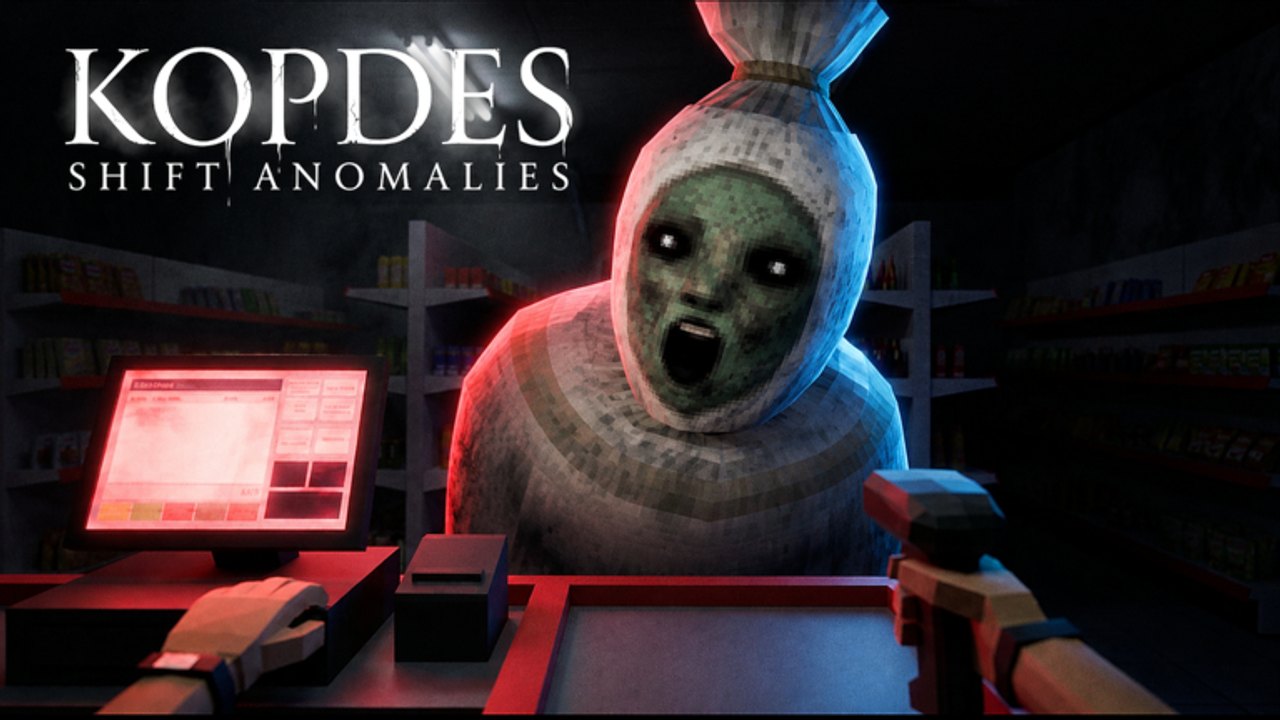
Kopdes Shift Anomalies asks one brutal cashier question all night: serve the human, kick the anomaly. Miss the read and you get jumpscares, failed shifts, or ending branches you did not want. This page ranks community threat tiers for common signs and entities—Pocong, Kuntilanak, Genderuwo, Tuyul, and the stranger shop events players call out in co-op. It is not an official Imaginature Interactive balance list. Use it with the Tier List Hub, Getting Started, and Guides Hub while you learn the village cooperative rules.
Released 2026-09-27 on Roblox (place 117382010759945, universe 10768349969), the game already passed 7M+ visits with solo and 1–4 friend sessions. Official copy highlights Indonesian folklore guests and 25 endings. That volume of content means some anomalies feel like free kicks once you memorize the poster rules, while others force full-team panic. The S–C ladder below sorts those feelings so your first weeks prioritize survival calls over trivia.
Ranking criteria (community)
- Fail cost — Does a miss usually mean jumpscare, chase, or soft lock into a bad night?
- Read difficulty — Is the tell obvious at the counter, or do you need CCTV, warehouse checks, or timing?
- Co-op tax — Does someone have to leave the register, hide, or split attention?
- Frequency stress — How often does the pattern show up across nights after content updates?
Promote a sign if new audio or customers make it sneakier. Demote it if the tutorial and desk rules make it trivial. Recheck after notes on the changelog.
S-tier — kick / hide immediately
Blank or missing face. Community rule sheets treat no-face customers as auto-rejects. If the head is a void, do not scan a single item.
Reverse head. When the face looks toward the door while the body faces you—or the head fully spins—call it out and kick. Stream VODs show this tell ending runs when cashiers second-guess politeness.
Genderuwo (hide). Named folklore pressure. Players repeatedly say you hide rather than bravely finish a sale. In 1–4 co-op, freeze movement callouts and confirm everyone is covered before returning to the till.
3AM arrival + leaving at 3AM. Clock-tied guests and “do not leave the shop at 3:00” style rules sit at the top because timing mistakes feel unfair if you are mid-scan. Assign one player to watch the clock during late hours.
Phone after midnight. Desk lore and creator playthroughs warn against answering the register phone past twelve. Treat late rings as high-threat interactions unless a trusted guide proves a safe exception for a specific ending.
These S-tier patterns end nights fast. Memorize them before you chase cosmetics, Codes, or niche ending routes on the endings difficulty page.
A-tier — high priority, learnable tells
Black eyes. Dark, wrong eyes on an otherwise normal shopper. Easy to miss under dim lighting—angle your camera and use CCTV when unsure.
Oversized body. Scale that breaks the aisle. If the customer fills the frame unnaturally, kick before you debate proportions.
Leaf payment. Paying with leaves instead of cash is a classic anomaly payment flag in community rule lists. Refuse the sale.
Shroud request. Anyone shopping for burial shrouds belongs on the kick list. Notes from previous cashiers reinforce this tell.
Self-moving radio. Radios that power themselves need a careful response (community clips mention interaction counts before shutoff). Do not treat it as background flavor.
Teleport customers. Guests who skip walking animations or pop between cameras are A-tier because they break spatial trust. Call CCTV checks in co-op.
Roof threats. Danger above the store forces vertical awareness. Pair a roof check with register coverage so nobody solos the threat while shelves go unwatched.
A-tier anomalies punish distraction more than ignorance. Once your squad has a shared vocabulary—“leaf,” “shroud,” “teleport,” “roof”—clear rates jump. Practice that vocabulary on short nights before long ending hunts.
B-tier — medium pressure events
Flying goods. Items that float off shelves without a hand. Kick or clear the event per your rules poster; do not ignore motion in empty aisles.
Empty shelves with taken stock. Product disappearing from barren shelves is a behavior flag even when no customer stands at the counter.
Dripping basket. Wet or leaking baskets signal wrongness during bagging. Pause, re-evaluate the guest, and eject if other tells stack.
Warehouse book. Reading sticky pages in the warehouse can be informative—and risky. Treat warehouse lore as a controlled expedition: one player reads, others hold the floor.
Toilet ghost. Bathroom encounters add route planning. Clear the toilet on a schedule instead of panic-checking mid-queue.
Crawling nun. Floor-level movement is easy to miss if your camera stays locked on the scanner. Sweep low angles during quiet seconds.
B-tier is where competent teams still wipe: not because the tell is invisible, but because the store is busy. Use Scripts research only with account-safety skepticism; mechanical awareness beats risky shortcuts.
C-tier — lower stress once recognized
Dancing entities. Weird dances read as anomalies quickly once you have seen one. Still kick—just expect less debate.
Spiders. Creepy, memorable, and usually obvious enough that new players spot them after a single scare.
Obvious folklore cameos after the tutorial. Pocong and Kuntilanak still deserve respect, but many first-night builds telegraph them hard compared with subtle payment or clock traps. Rank individual appearances up if a specific night hides the costume well.
C-tier does not mean safe. It means the community consensus is “you should catch this after one learning death.” Promote any C-tier sign that starts blending into normal customers after an audio or customer pack update.
Co-op callout sheet
- Register lead — owns face, eyes, head orientation, payment type, shroud dialogue.
- Floor lead — owns flying goods, empty shelves, dripping baskets, crawling / dancing / spiders.
- Utility lead — owns phone, radio, warehouse book, toilet, roof, 3AM clock.
- Hide lead — calls Genderuwo and any chase that needs everyone off the floor.
Rotate roles across nights so every friend learns S-tier tells. Solo players should pause the queue to check CCTV whenever two A-tier signs stack.
How to practice without spoiling every ending
Run “tell drills”: survive with perfect kicks, ignore ending hunting, and note which signs still fool you. Then open the endings difficulty tiers when you are ready to fail on purpose for collection. Keep Updates open so a new ghost pack does not invalidate last week’s muscle memory. Meet the studio context on Imaginature Interactive if you want developer background while you grind.
Community tiers move. If your lobby consistently dies to dripping baskets but never to dancing spiders, rewrite your personal ladder—and share the callouts with your 1–4 stack before the next Kliwon Friday night.
Frequently Asked Questions
Quick answers to the most common questions.
Is this an official anomaly tier list?
No. It is a community threat ranking for learning and co-op callouts. Imaginature Interactive does not publish this S–C chart.
What should I memorize first?
Blank or missing faces, reverse heads, leaf payments, shroud requests, midnight phone rules, 3AM timing, and Genderuwo hide calls.
Do co-op roles change the tiers?
The threat stays the same, but split roles lower the practical danger. Assign register, floor, utility, and hide leads in 1–4 sessions.
Will new updates reorder these tiers?
Very likely. New Indonesian ghosts, customers, and sounds can hide old tells or introduce sneakier ones—revisit after changelog drops.